
Author: Min Hye Yoon
Crafts is representative of human life and culture which has been formed as art over a period of time. There has been assumptions that artifact can provide information in many of aspects of human life, revealing social identities, at the same time craft can shape human culture and life style (Kay, 1999). An artifact projecting such cultural contexts, reflects a purpose of the usage of the artifact as well as a meaning of the usage of it.
Specifically, South Eastern Asian region has preserved cultural artifacts that uncover a blended culture among between different countries, which are Peranakans’ crafts. The Singapore Peranakan Museum depicts this Peranakan’s culture and history.
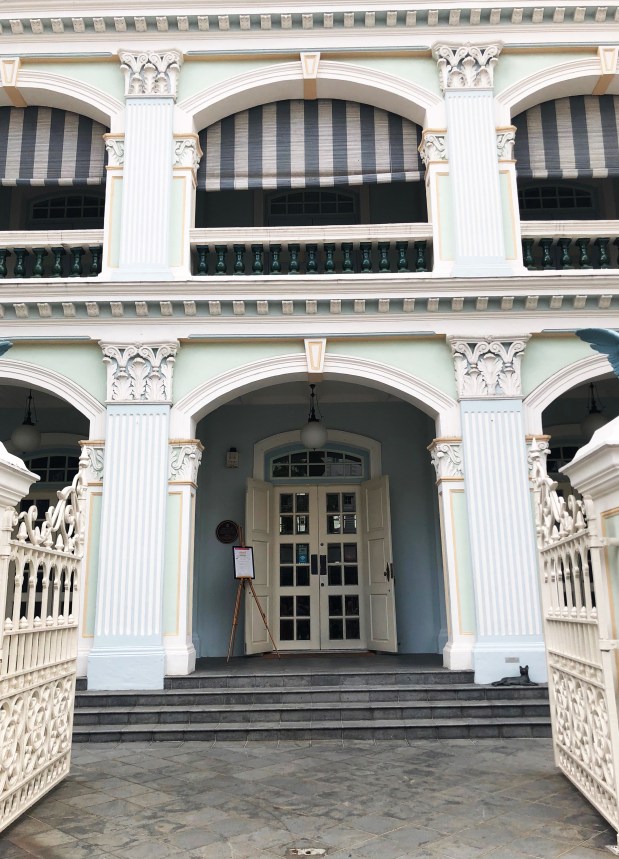
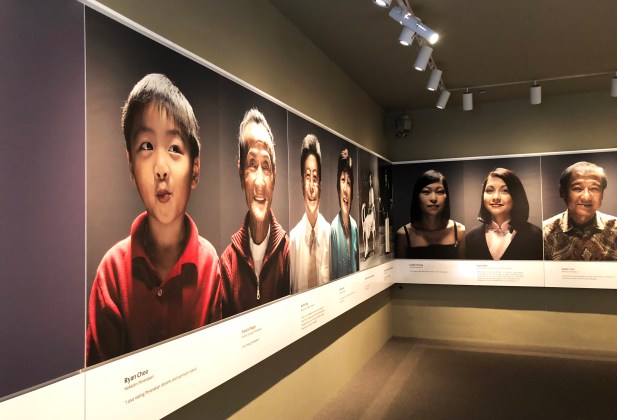
Many of the traders coming from China, European countries and Arabic countries intermarried with local women, afterwards they settled down in Malaysia and Singapore areas. The term, Peranakan refers to those offspring born between local women and foreign traders, the term of which originated from the Malay language ‘anak’ meaning ‘child’ (Lee, 2008).
Accordingly, Peranakan culture was thrived through blending those two different cultures, mainly between the local and China as well as Netherlands, Prutugal, British and Middle Estern Asia etc.
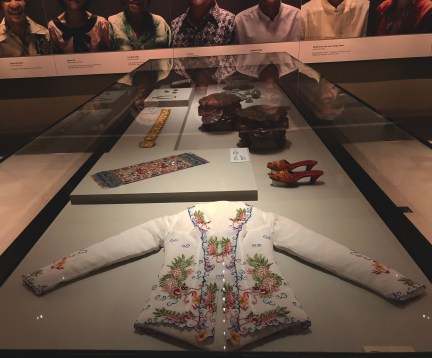
- Dress: There has been several types which stand for peranakan women’s dresses, one of which is called “nyonya kebaya”. This word originated from the Prtuguese, ‘kobaya’. This style of dress seems to be an outcome of mixture of dress styles between Chinese and Portuguese or Dutch during colonial period: the use of lace is influenced by Portuguese or Dutch while embroidery patterns (e.g. dragons) are influenced by China.
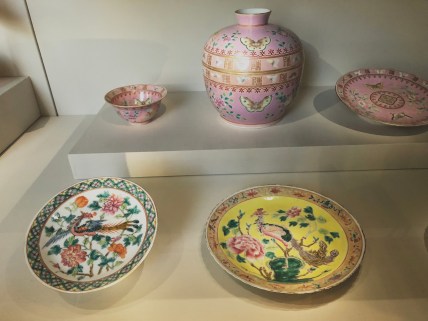
- Ceramic porcelains: The use of colours on ceramic porcelains is quite unique including yellow, blue and rose pink, which is distinctive from typical Chinese ceramic patterns. Some researchers assume that the colour pink may be influenced by British ceramics which was once popular in using pink in ceramic plates in European countries. The rose pigment was discovered in 1650 by a Dutch chemist, accordingly it was delivered to China (Ming-Yuet, 2012) .
Through the artifacts displayed in the museum such as dresses, shoes, ceramics, etc., they show an adaption of culture and lifestyle.
Reference
Kay, M. (1999). Craft-as-Industry and Craft-as-Culture: Analysing Handicraft Production in Commercialized Asia and Beyond. Southeast Asian Journal Of Social Science, (1), 113.

 Min Hye-Yoon, 민혜윤