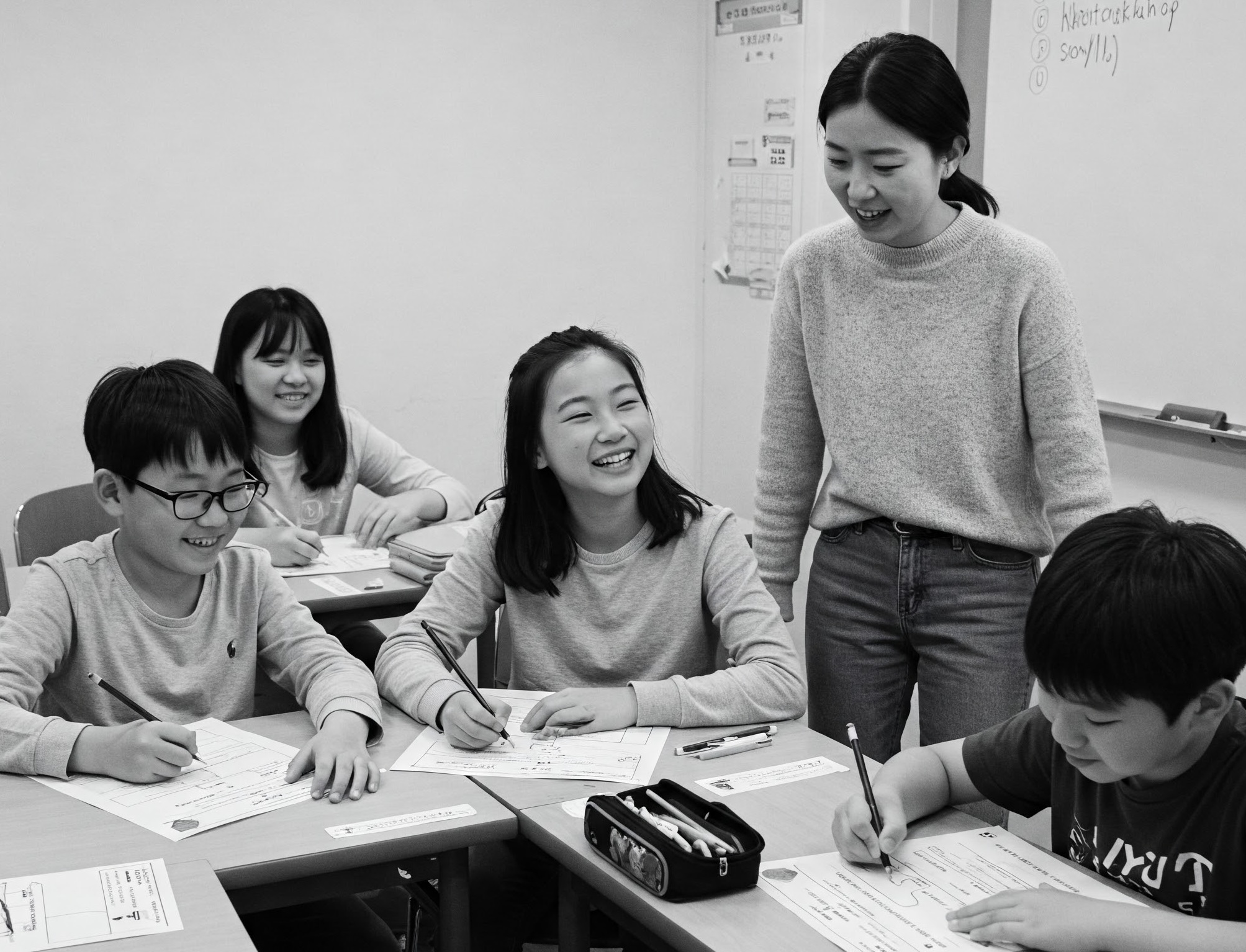
Understanding children’s needs and motivations through participatory workshop method
To gain the necessary insights for designing a relevant tool (digital or physical), our research activities focusd on the following questions:
- How children actually are motivated and what support would they need?
- What gaps exist between children’s and parents’ perspectives on motivation and goal attainment?
Method:
- Participatory workshop for research (1 day workshop)
Target audience of the workshop:
- Students aged 11-12 years old (upper primary school level)
- And their parents (either mother or father)
Why Use Participatory Workshops in Research?
Imagine a room alive with laughter, curiosity, and the thrill of discovery. This is the atmosphere our participatory workshops for kids create—and it’s precisely what makes them so valuable for research.
Participatory workshops go beyond traditional interviews but help children immerse in engaging activities to give us insights to the research questions. This approach helps researchers set aside their own assumptions and uncovers hidden logic and motivations adults often overlook. Instead of relying solely on answers to direct questions, these workshops allow children to express their needs, ideas, and feelings naturally through play and interaction.
By embracing participatory methods, you open the door to transformative insights—moving from preconceived notions to a genuine understanding of what truly matters to children.
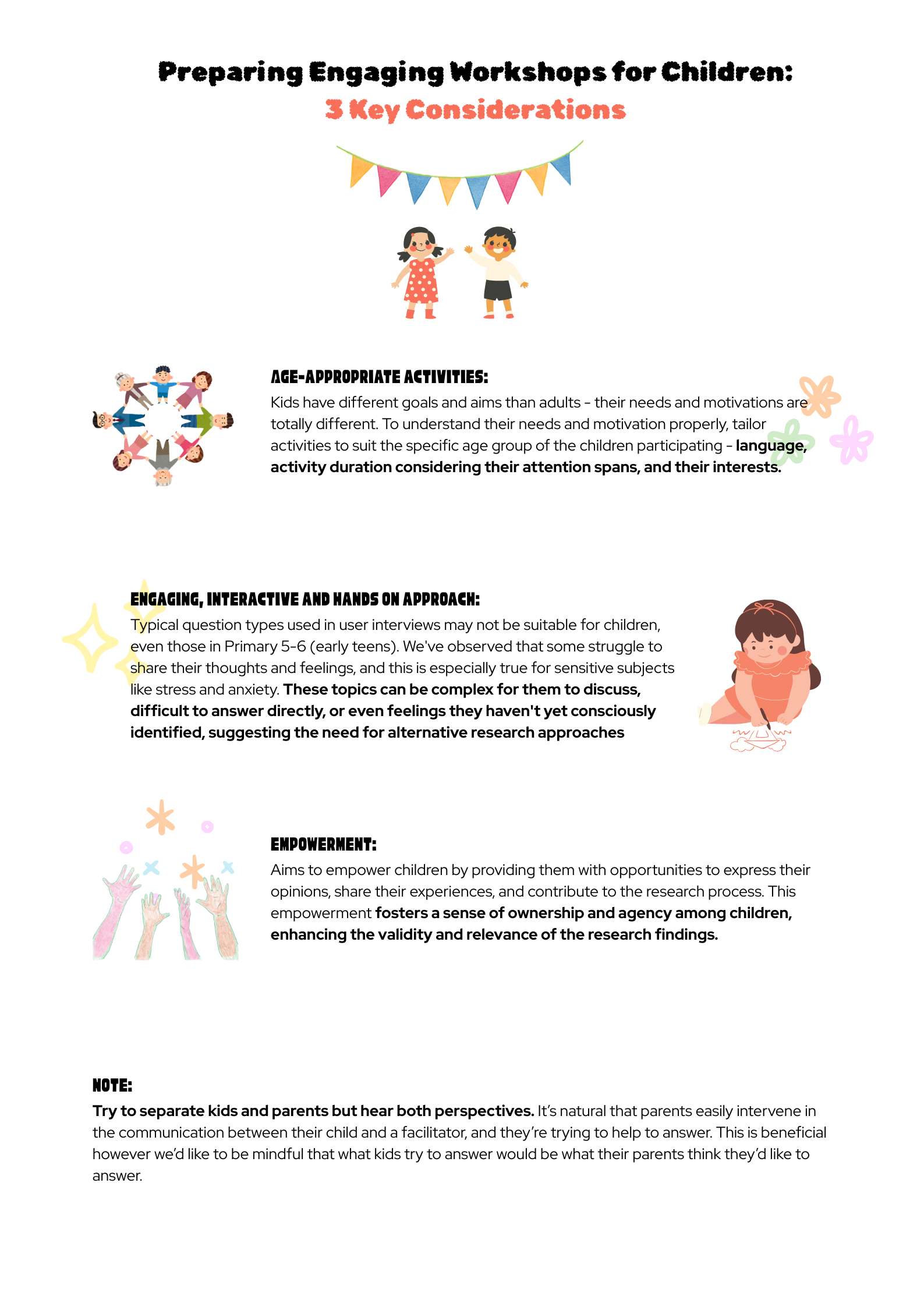
Some several key principles described as visual poster below I’ve kept in mind before planning and designing the workshop activities.
We designed participatory workshop activities via workbook format where kids can participate in, that is designed to empower them to express their thoughts and emotions. It consists three major activities in the workbook.
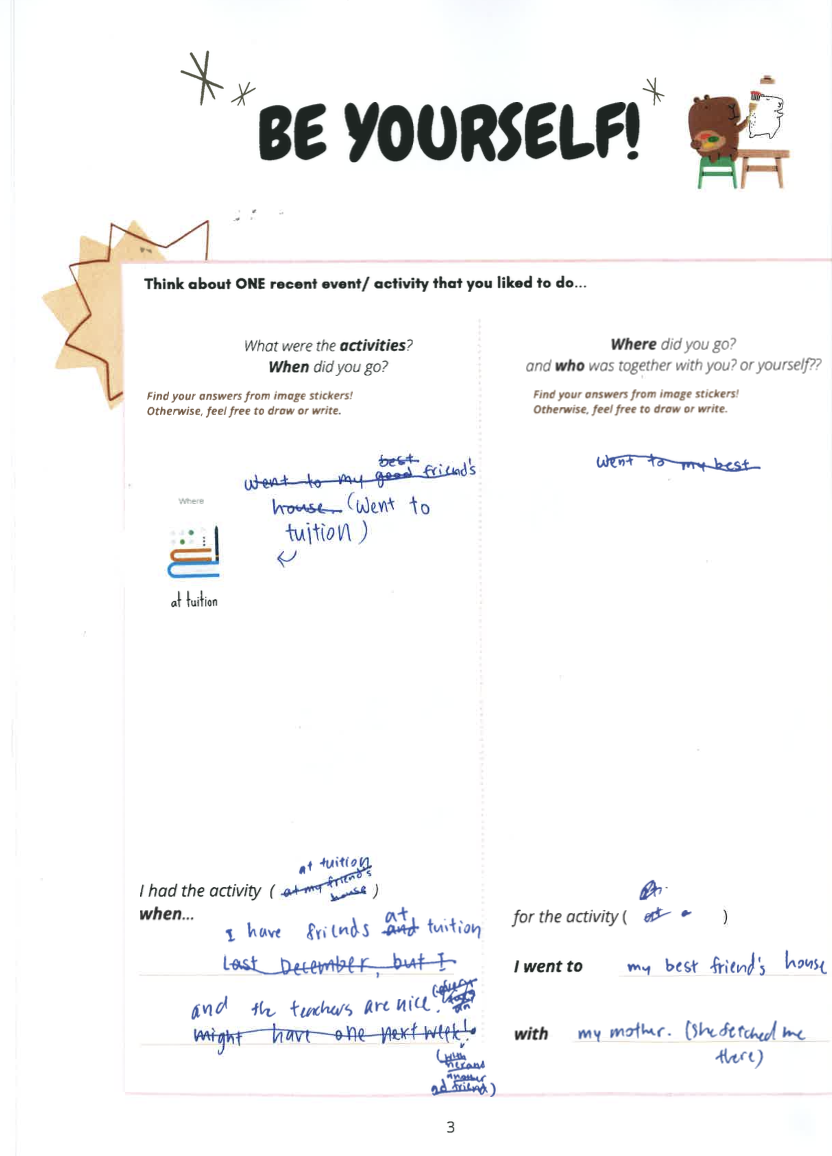
Activity 1: find out what motivates children
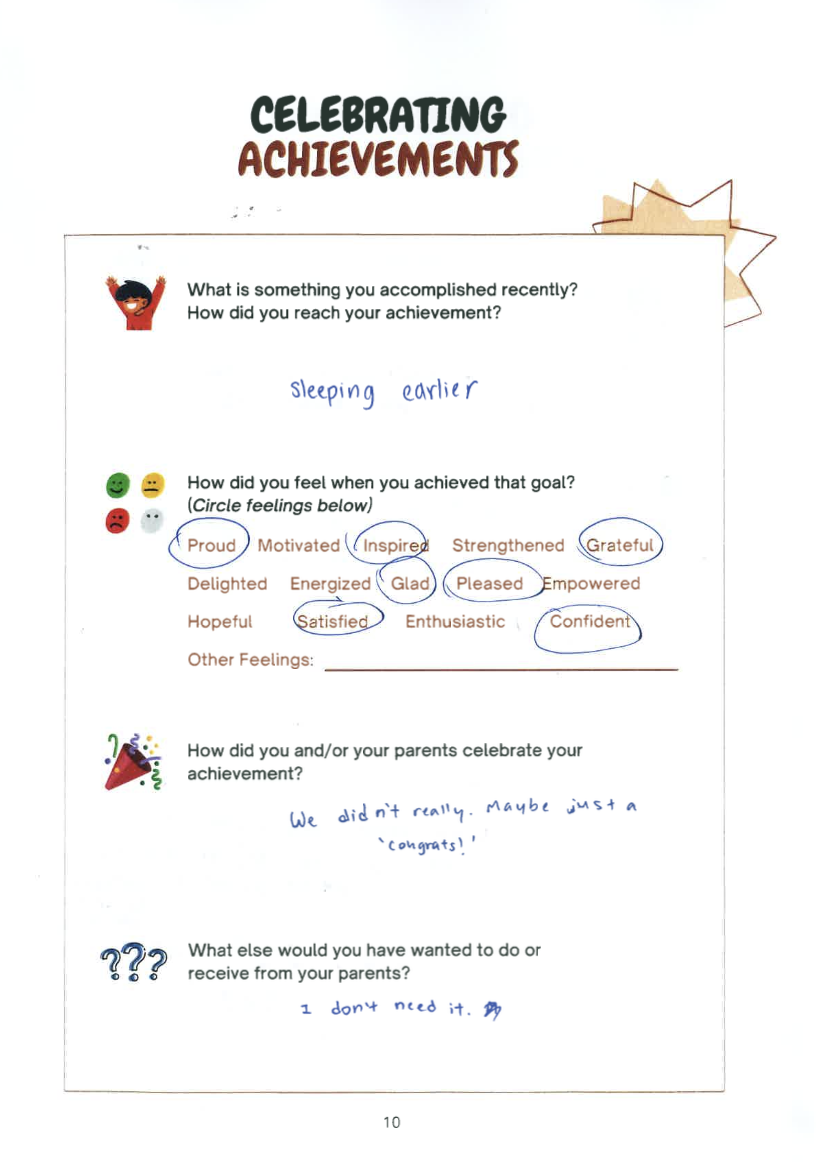
Activity 2 – Exploring Reward Preferences and Communication Styles
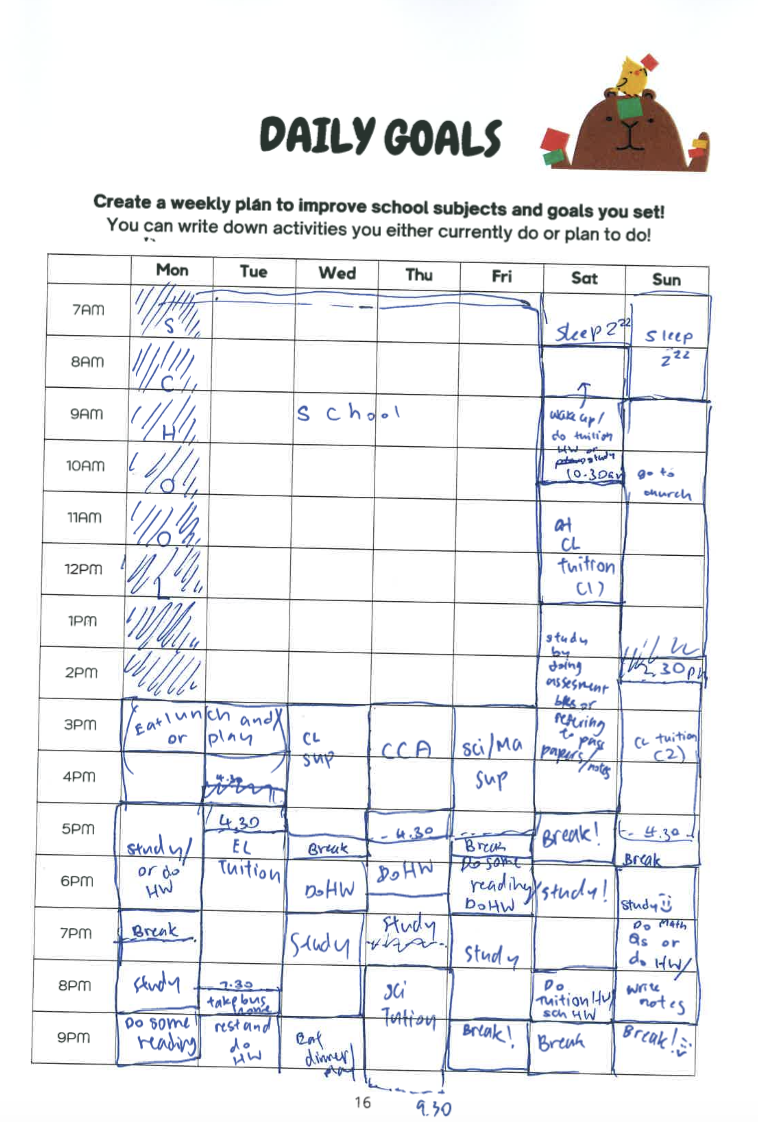
Activity 3 – Independent Goal Setting Activity
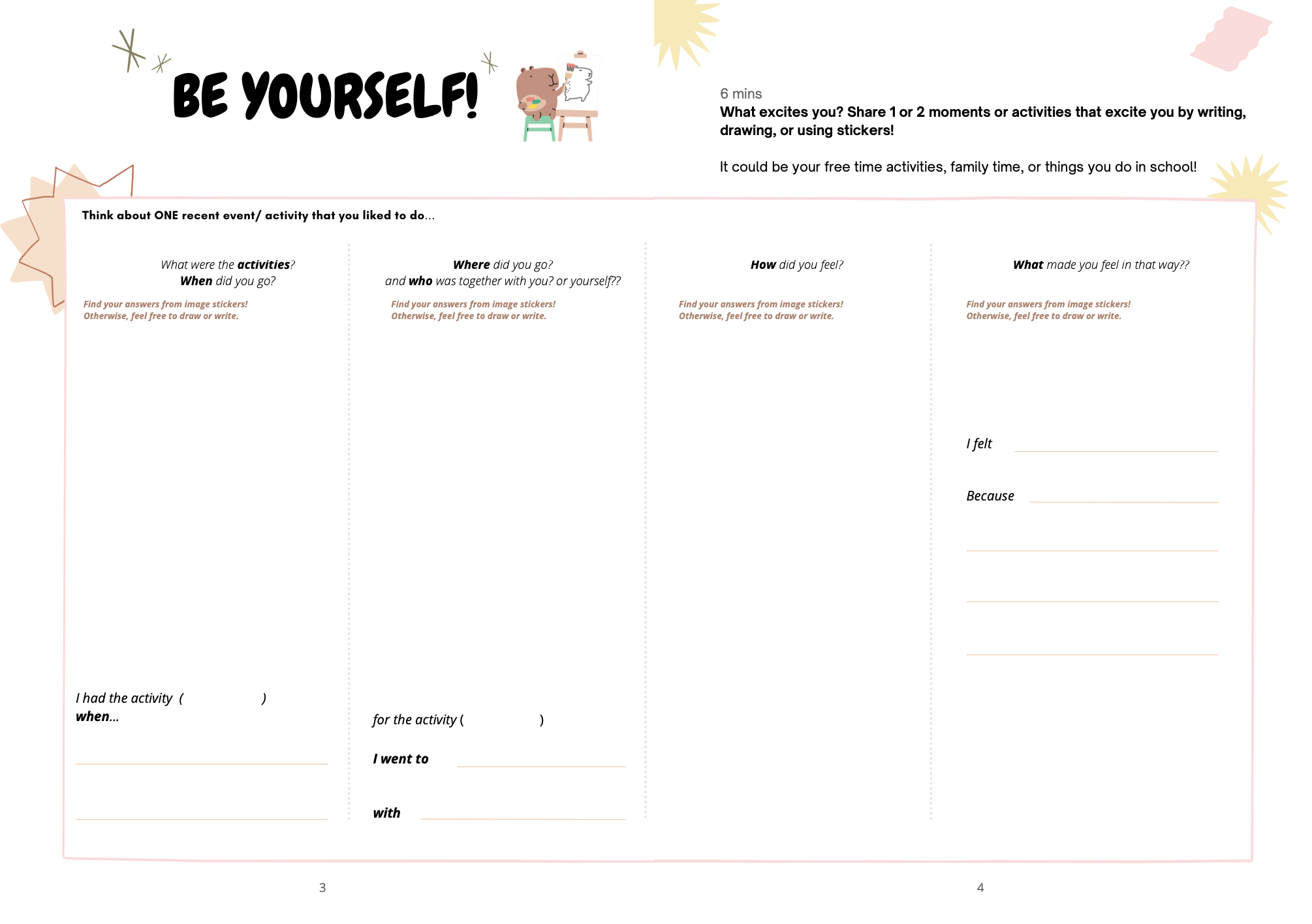
1️⃣ Activity 1 – Express yourself and find out what motivates you
This activity aims to understand what truly interests children and what they don’t enjoy. To help them express themselves freely, we provided stickers and emojis for immediate reactions. They also had the option to draw their feelings or favorite/least favorite activities if that felt more natural.
Creating a comfortable and open space for expression is key:
- Avoid judgment: Refrain from labeling responses as right or wrong.
- Encourage diverse methods: Support all forms of expression, including drawing, stickers, collages, and more.
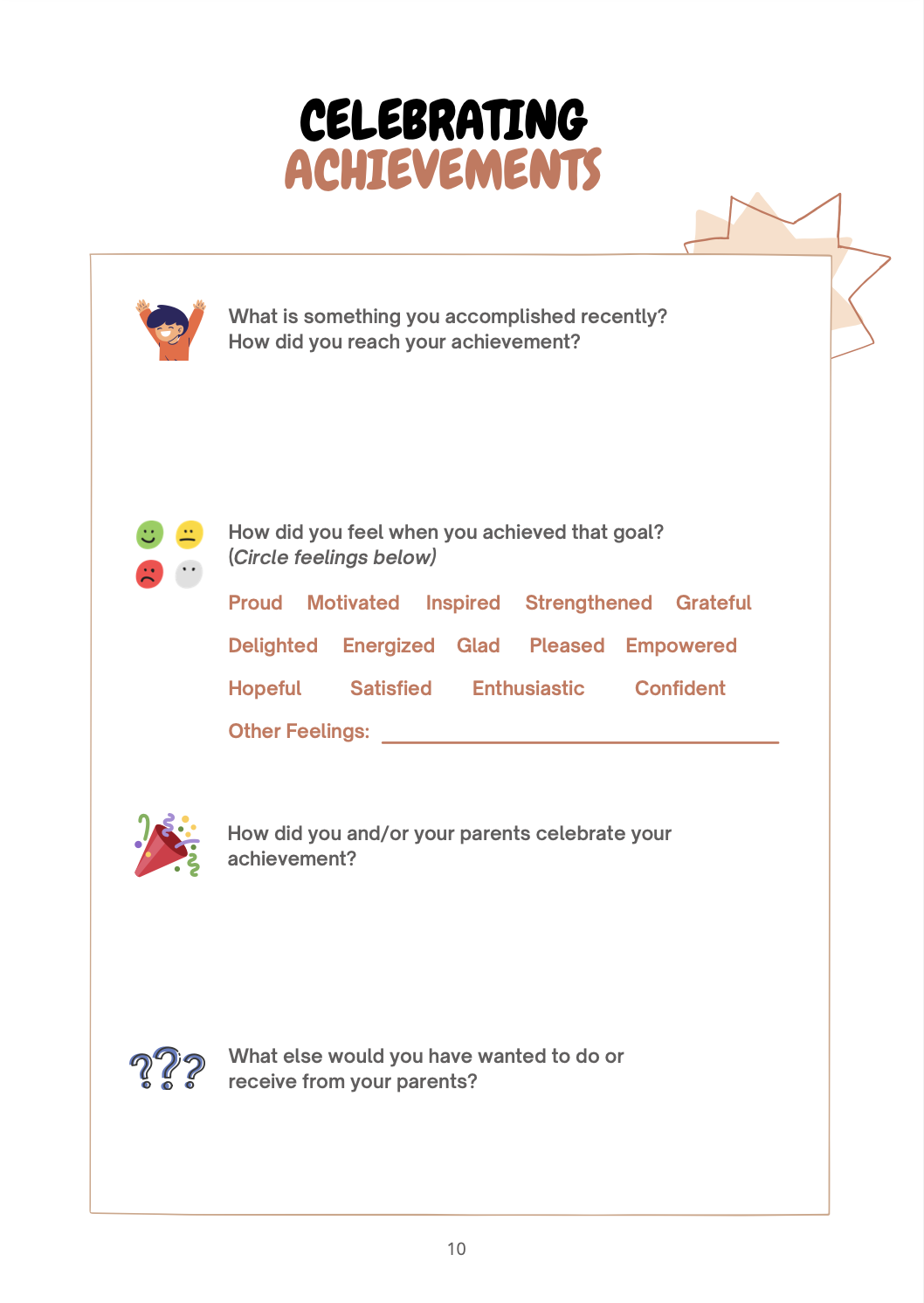
2️⃣ Activity 2 – Exploring Reward Preferences and Communication Styles
The research goal of this activity was to explore children’s feelings about their achievements and how their parents respond. Specifically, we aimed to understand:
- Do children generally feel adequately rewarded after achieving something?
- Do parents accurately perceive their children’s achievements?
- Do parents communicate praise or provide rewards in a way that resonates with their children?
To answer these questions, the activity was designed to uncover how children prefer to be rewarded and their feelings about current reward or celebration practices with their parents. Instead of direct interviews, children expressed their experiences through a worksheet, and parents then independently reflected on their responses based on their child’s output.

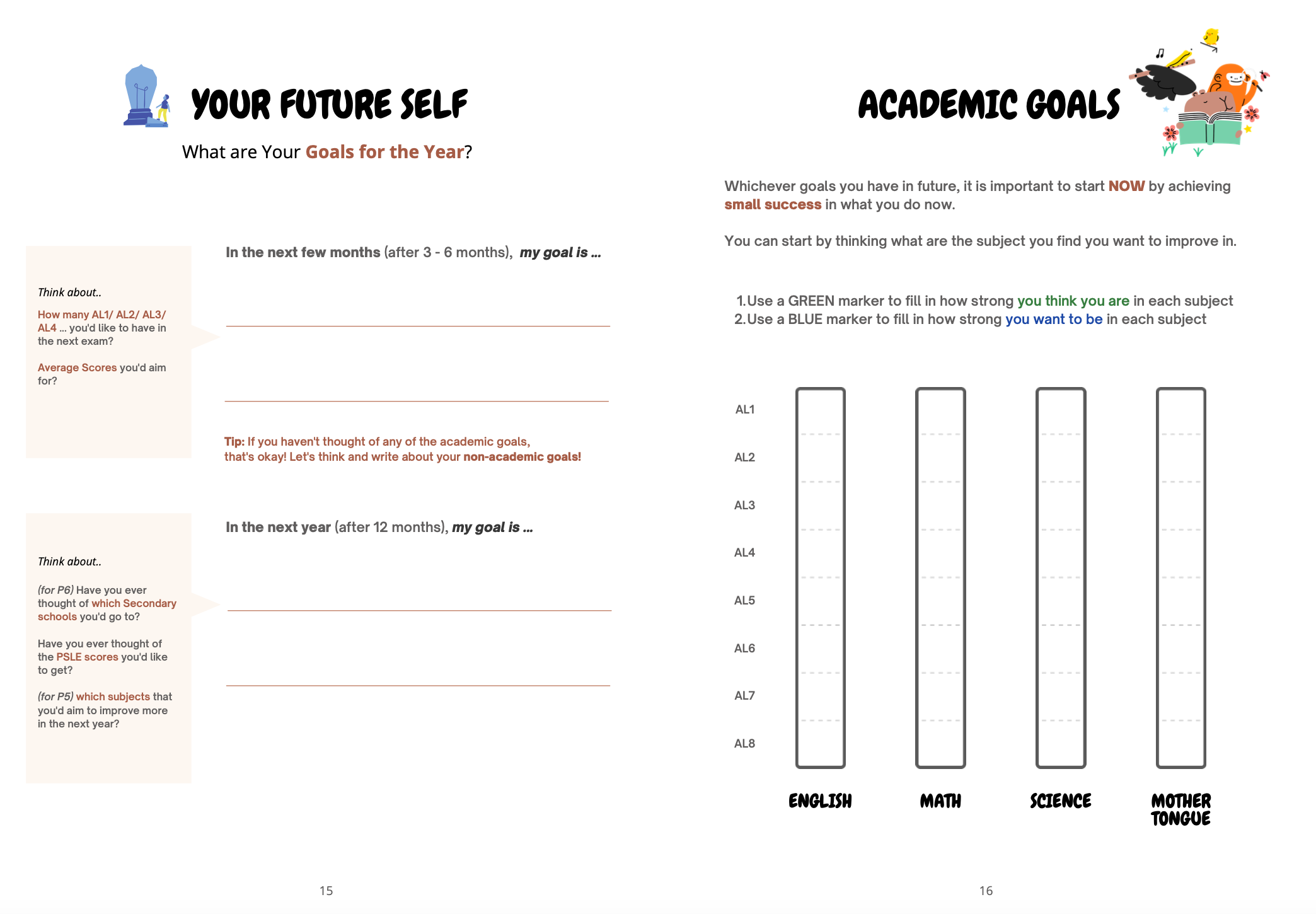
3️⃣ Activity 3 – Independent Goal Setting Activity
This activity was designed to evaluate children’s capacity for autonomous goal setting, reflecting their maturity and thoughtfulness. We sought to understand the types of goals they would choose and how they envision achieving them, without any parental guidance. Instead of inquiring about previous experiences with goal setting, we presented a goal-setting task to directly observe their comprehension of the concept and their independent approach to it.
In most cases, we want to head directly to the solution before we understand the issue properly. (I assume this is general human nature that we want to see the result quickly and see the response from the market quickly.) This is a key barrier where designers, business owners, or product developers sometimes do not prioritise much on the field work over the way we get used to it – the process, logistics, and cost. Often some field work requires too much logistics, time and cost – thus wanting to skip it.
A quick solution without research/ field work may still work if you design/develop some products and services for a group that you understand about them well. However, if the products and services target unfamiliar/unusual groups or groups that behave, think and feel totally different from where you come from, you must consider planning research to understand them properly. Especially when it comes to a product/ service targeting kids, it indeed needs time and effort to understand their needs in their perspective!
💡Key Findings
Parents and children’s feedback on the workshop activity helps us identify a greater gap in perspectives between parents and children, such as:
- Parents do not know well what their kids feel fun/ excited about
- What parents think it’s helpful – parental support/ communication vs. what kids think it’s helpful – own free time & playing games
- Different views of “achievement” between parents and children
- Communication lead by parents rather than children
Children’s view – when they make a small achievement:
- such as waking up earlier, sleeping earlier, getting points from a computer game, and a small progress in their study
Parents’ view – on a big achievement:
- such as receiving awards, and getting top 25% in school
In addition, parents did not know how to help and support children to set a child appropriate goal/ build a sense of competence, given that:
- children do not understand the importance of goal setting
- children usually do not plan their schedule/ task list, usually memorise their home works
Based on the outcome, we defined a few opportunities based on our research, and organized them into a tree structure.

Some of the key opportunities in Parents’ perspectives:
- I want to understand my child better. What they like, what they don’t like and why they behave the way they do.
- I want to understand my child’s interests
- I want to understand things from my child’s perspective
- I want to align my expectations with my child
- I want to communicate with my child.
- I want to understand what my child is thinking/feeling
- I want my child to talk to me more
- I want my child to listen to me
- I want to know how to motivate my child to reach their full potential in their studies. I want to improve their school grades.
- I want to learn how to transfer my child’s drive in their interests to their studies.
- I want to be able to support my child in their studies
- Although my main focus for my child is not on studies, I hope my child put in effort and keep practicing academic tasks
- I want my child to improve their school grades
- My two kids are different, need to know what are the best way to motivate each of them
 Min Hye-Yoon, 민혜윤